
Moshi and the Chagga highlands
On the fertile slopes of Kilimanjaro live the Chagga, Tanzania's third largest ethnic group, and the country's coffee heartland grows right in their villages. A morning here usually means walking through coffee and banana plantations with a farming family, then working through the whole process from picking cherries to roasting and grinding beans over an open fire.
Coffee farm to cup
Pick, roast, grind, and brew Chagga coffee by hand
Materuni waterfall hike
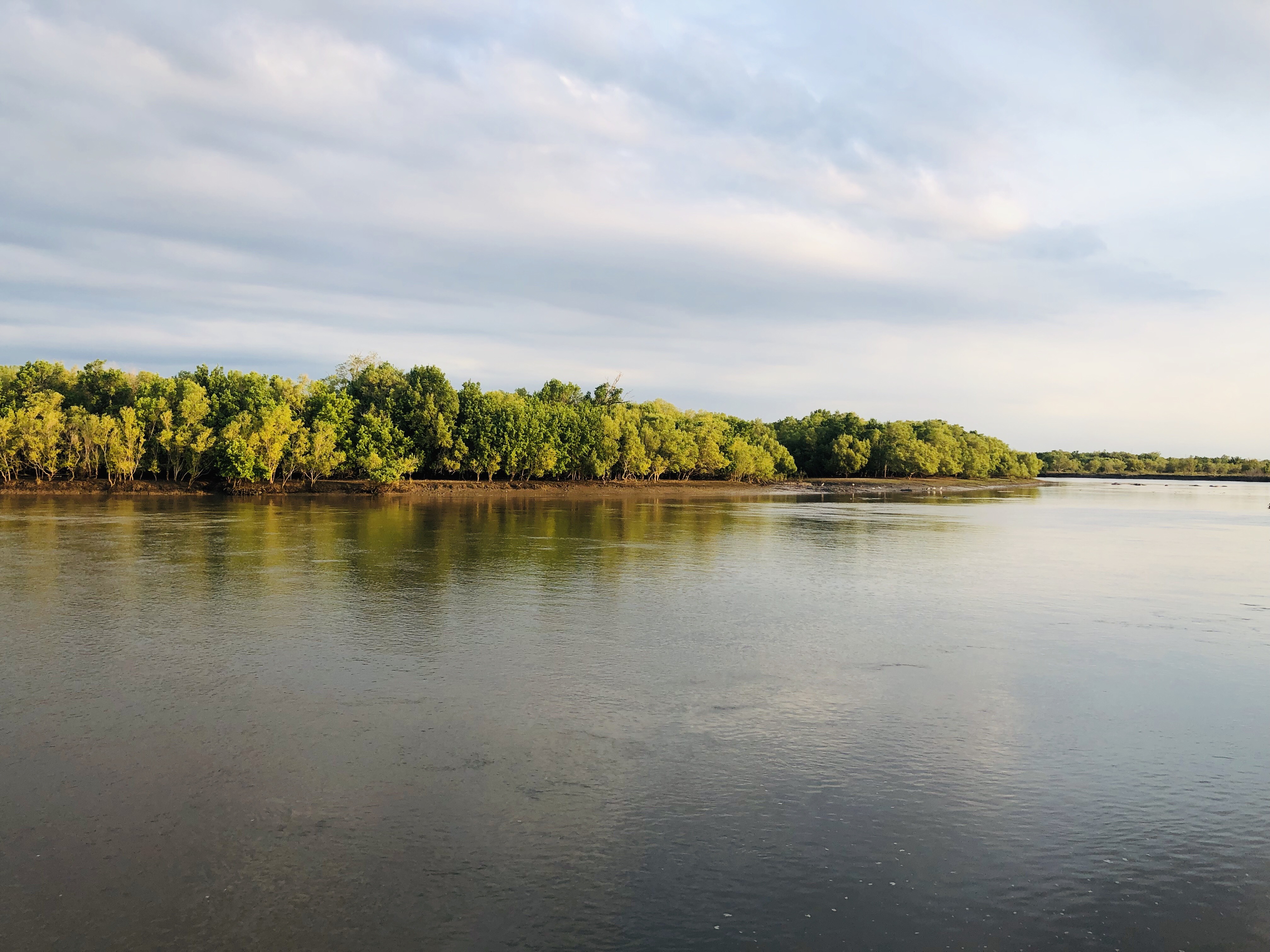
A trail through plantation to an 80m+ falls and swim
Old Moshi history walk
Colonial-era sites and the story of chief Mangi Meli

Chagga caves
Underground refuges built during Maasai raids
Traditional dance and song
Live performances, with an open invitation to join in
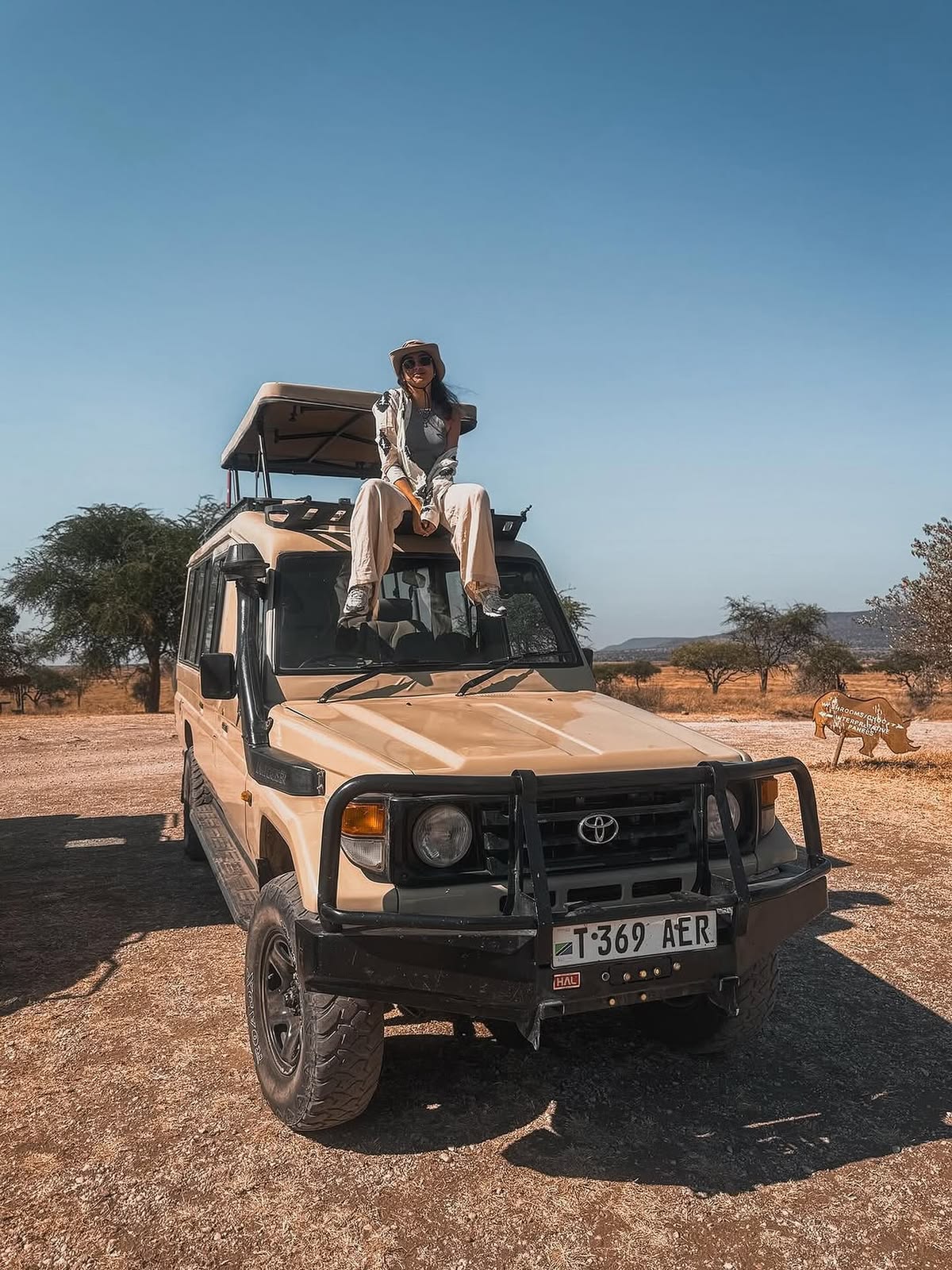
Home-cooked Chagga lunch
A family meal, often with mbege banana beer to try
Mto wa Mbu, a village of 120 tribes
Sitting at the gateway to Lake Manyara, Mto wa Mbu is one of the only places in Tanzania where nearly all of the country's tribes live side by side, alongside neighbors from Kenya, Rwanda, and Burundi. It's less a single attraction than a working town you walk through, past banana farms, milling machines, workshops, and markets, with a guide from the village itself explaining what you're seeing as you go.
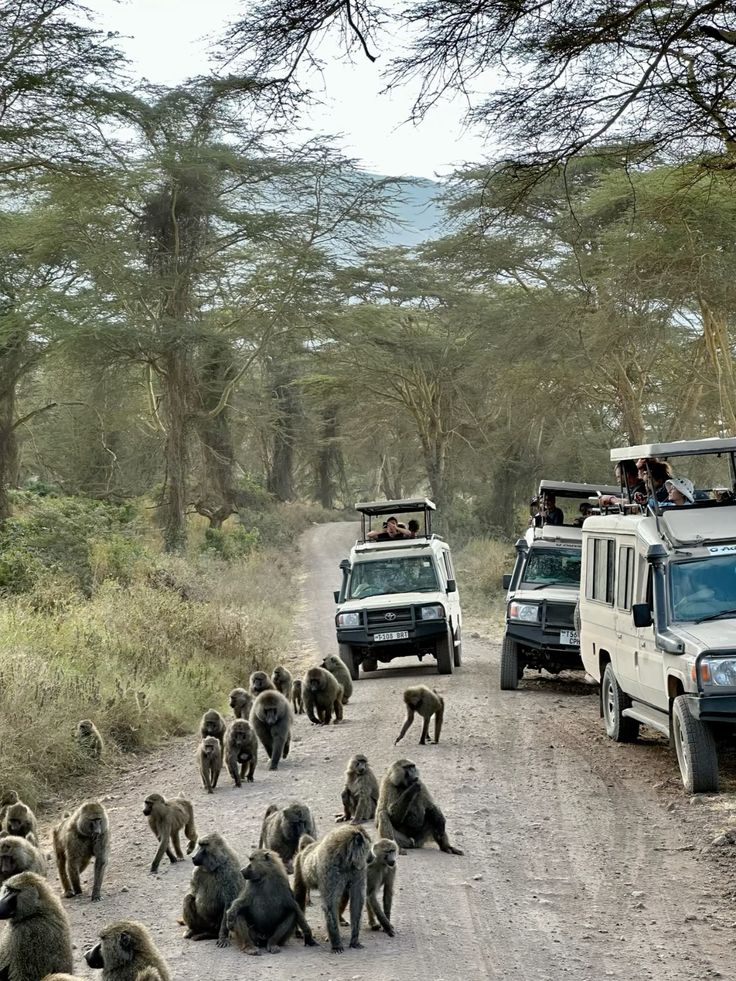
Village walk
Farms, schools, milling machines, and daily village life
Maasai market
Weekly Thursday market, plus a larger one on the 22nd
Maasai boma visit
A homestead tour with the local Maasai community
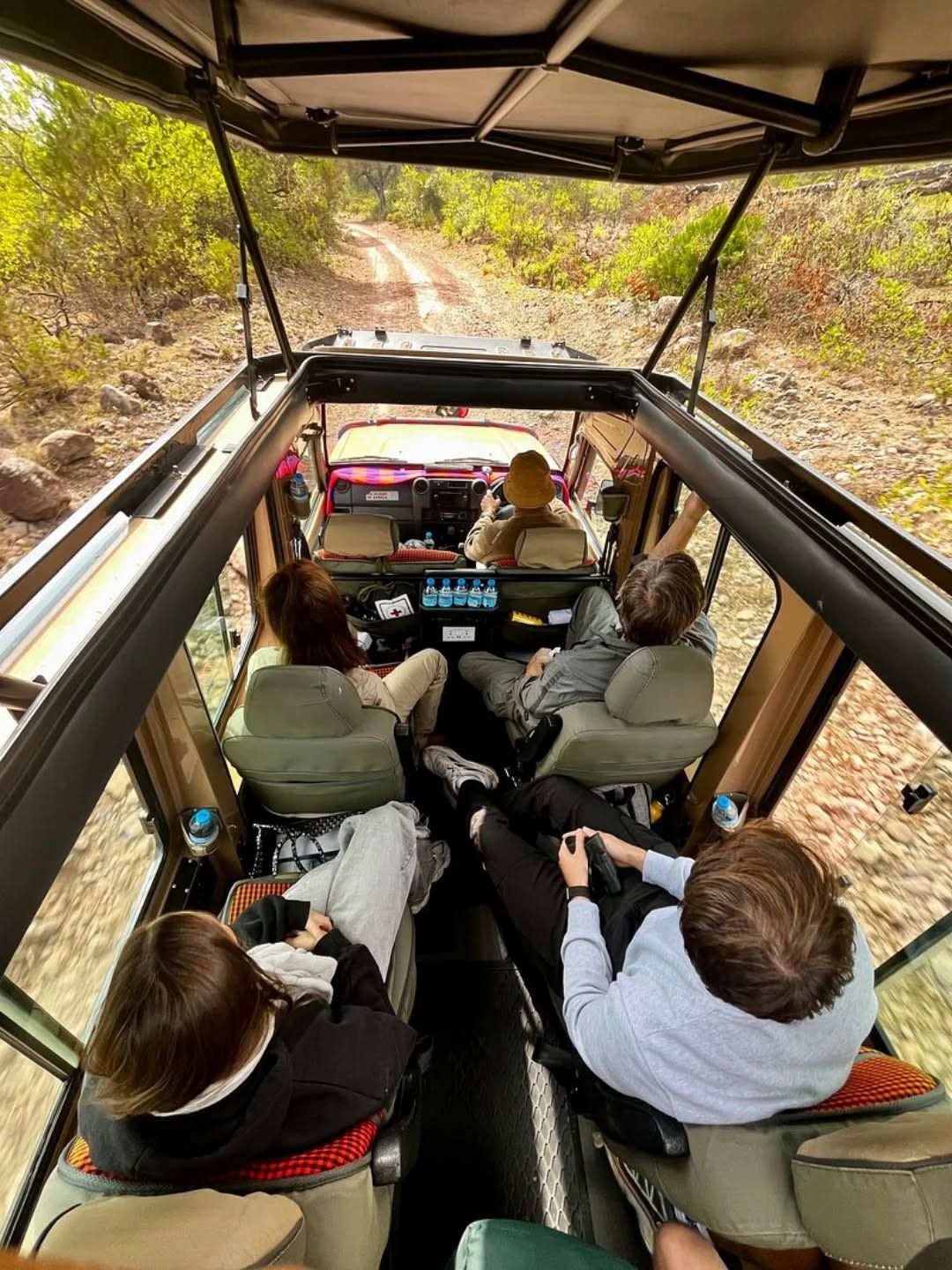
Makonde wood carving
Watch and try traditional carving, no pressure to buy
.jpg)
Balaa Hill climb
Rift Valley views and 2,000-year-old baobabs
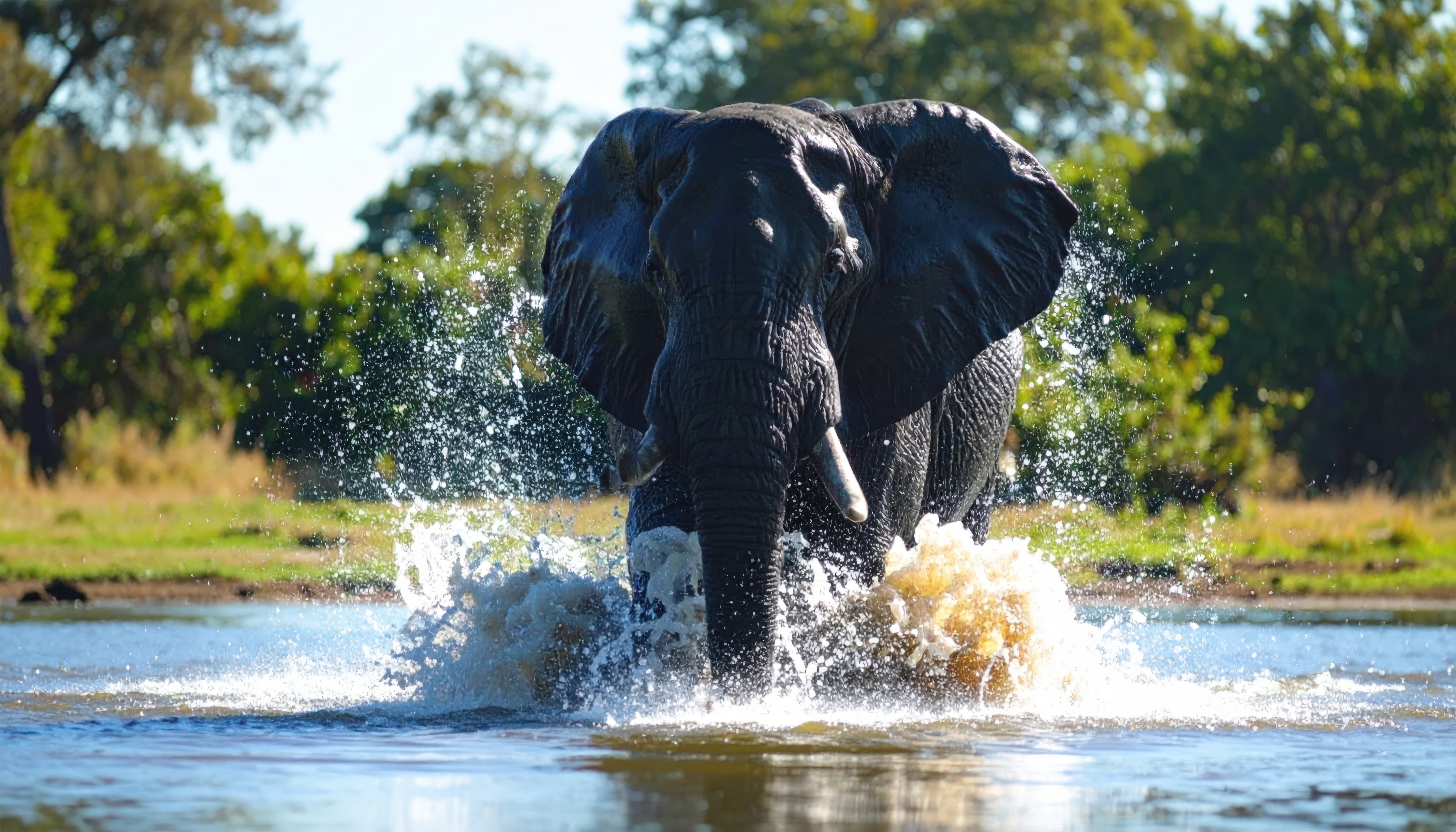
Miwaleni waterfall and lake
Papyrus-lined waters, swim beneath the falls
Good to know
Both are easy half or full-day add-ons rather than standalone destinations: Moshi cultural tours pair naturally with a Kilimanjaro climb or as a first day before heading into the parks, while Mto wa Mbu sits right on the route between Lake Manyara, Ngorongoro, and the Serengeti, so it costs you no extra driving to include.